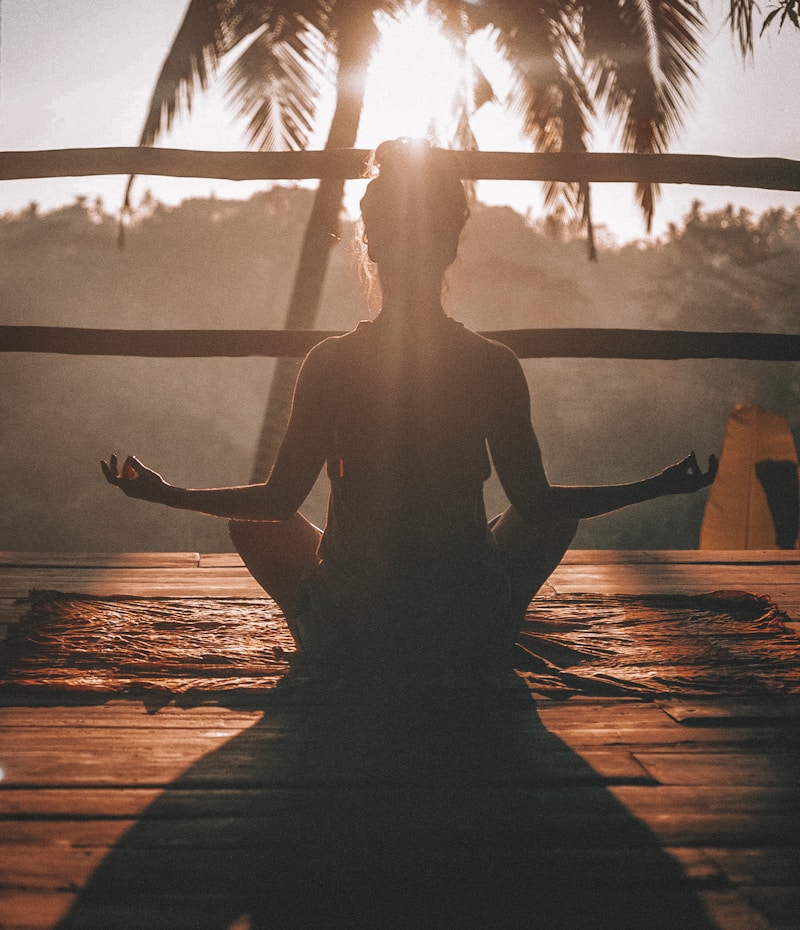
Anxiety is a natural reaction of the body to situations perceived as threatening. However, when it becomes excessive or persistent, it can significantly affect quality of life. In this article, I present five scientifically validated techniques that can help you manage anxiety effectively.
1. Diaphragmatic Breathing
Diaphragmatic breathing, also known as abdominal breathing, is one of the most efficient and accessible techniques for rapidly reducing anxiety.
How It Works
When we’re anxious, the natural tendency is to breathe shallowly, using only the upper part of the chest. This breathing accelerates the body’s fight-or-flight response. Diaphragmatic breathing activates the parasympathetic nervous system, which induces a state of calm.
Practical Exercise
Diaphragmatic Breathing - Step-by-Step Guide
- Find a comfortable position, either sitting or lying down
- Place one hand on your chest and one on your abdomen
- Slowly inhale through your nose for 4 seconds, feeling your abdomen rise
- Hold the breath for 2 seconds
- Slowly exhale through your mouth for 6 seconds
- Repeat 5-10 times
2. The Grounding Technique 5-4-3-2-1
This sensory technique helps you anchor yourself in the present when anxiety makes you feel disconnected from reality.
How It Works
Grounding uses all five senses to bring attention back to the present moment, interrupting the cycle of anxious thoughts.
Practical Exercise
Identify and name out loud:
- 5 things you can see
- 4 things you can touch
- 3 things you can hear
- 2 things you can smell
- 1 thing you can taste
3. Cognitive Restructuring
Cognitive restructuring is a central technique in Cognitive-Behavioral Therapy (CBT) that helps you identify and modify irrational thoughts.
The Basic Principle
Anxiety is often fueled by distorted thoughts about reality. By identifying and objectively evaluating these thoughts, we can reduce the intensity of anxiety.
Questions for Evaluating Thoughts
When you notice an anxious thought, ask yourself the following questions:
- What concrete evidence is there for and against this thought?
- Is there another possible explanation for this situation?
- What would I tell a friend who had the same thought?
- What is the worst-case scenario? How likely is it?
- Even if it happened, how would I cope?
Practical Example
| Anxious Thought | Objective Evaluation |
|---|---|
| “I will definitely fail my presentation” | “I’ve given presentations before and they went well. Even if it’s not perfect, it doesn’t mean I’ve failed completely.” |
| “Everyone will notice that I’m nervous” | “People are usually focused on the content, not my state. Even if they notice, it’s normal to feel emotional.” |
4. Gradual Exposure
Avoiding situations that trigger anxiety maintains and intensifies anxiety in the long term. Gradual exposure helps you regain control.
How It Works
Gradual exposure involves facing feared situations step by step, starting with the least anxiety-provoking and progressing toward the most difficult.
Steps for Implementation
- Identify the situation or object that triggers your anxiety
- Create a hierarchy from 0 (no anxiety) to 10 (maximum anxiety)
- Start with situations at levels 2-3
- Remain in the situation until anxiety decreases by at least 50%
- Progress to the next level only after you feel comfortable
Example Hierarchy for Social Anxiety
| Level | Situation |
|---|---|
| 2 | Greeting a neighbor in the hallway |
| 4 | Brief conversation with a coworker |
| 6 | Participation in a group meeting |
| 8 | Presentation in front of the team |
| 10 | Presentation in front of leadership |
5. Body Scan
Body scan is a mindfulness technique that helps you become aware of the physical tensions associated with anxiety.
How It Works
Anxiety often manifests through muscle tensions we’re not aware of. Body scanning helps us identify and release these tensions.
Guided Exercise
Body Scan - 10 Minutes
- Lie down in a comfortable position and close your eyes
- Start by focusing attention on the top of your head
- Slowly move your attention down through your body:
- Forehead and face
- Neck and shoulders
- Arms and hands
- Chest and abdomen
- Back
- Hips and thighs
- Legs and feet
- At each area, observe any sensation without trying to change it
- If you find tension, take a deep breath and as you exhale, imagine the tension dissolving
When to Seek Professional Help
These techniques are valuable tools for managing mild to moderate anxiety. However, it’s important to consult a specialist if:
- Anxiety significantly interferes with daily activities
- You experience frequent panic attacks
- Avoiding anxiety-provoking situations is limiting your life
- Symptoms persist for more than a few weeks
- You have thoughts of self-harm
Conclusion
Managing anxiety is a process that requires practice and patience. These five techniques are not instant solutions, but tools that you can develop and refine over time. I recommend experimenting with each technique and discovering what works best for you.
Remember: anxiety is a normal reaction of the body. The goal is not to completely eliminate anxiety, but to develop the capacity to manage it effectively.
This article provides educational information and does not replace consultation with a mental health professional. If you’re struggling with persistent anxiety, I encourage you to schedule a consultation.